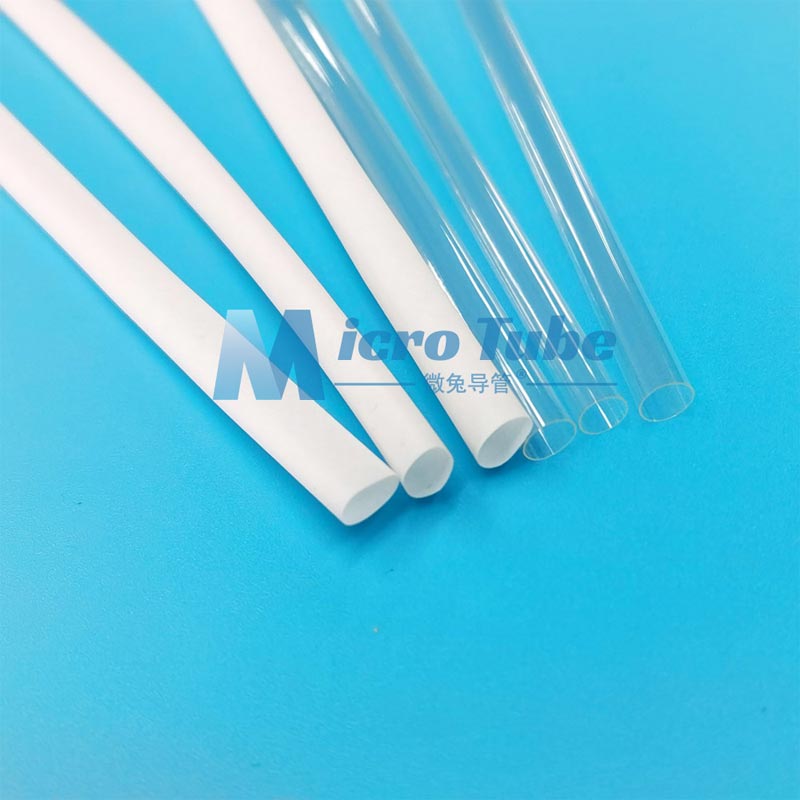
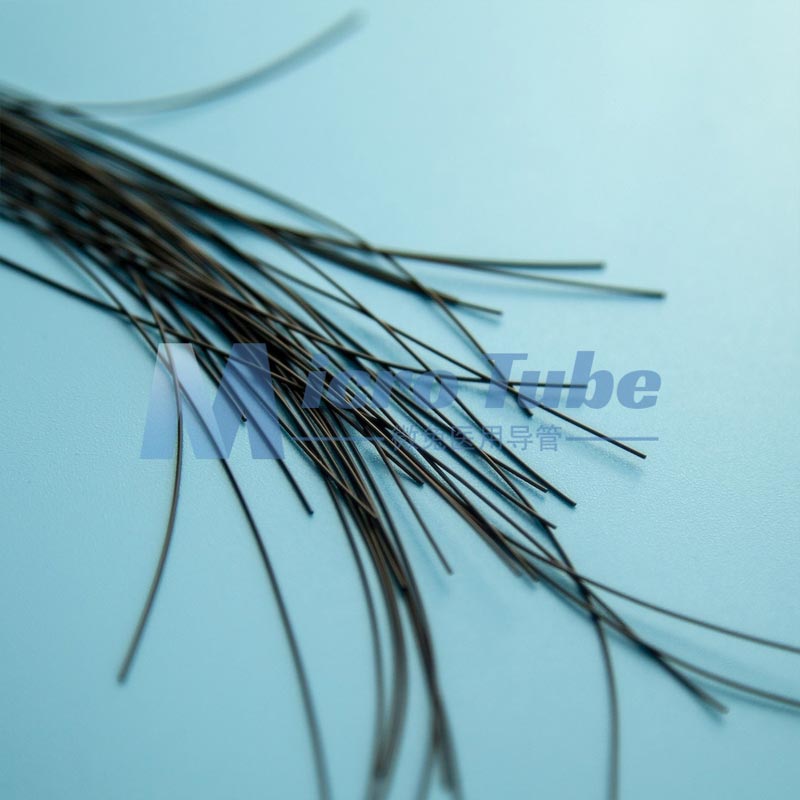
Pebax tubing, produced from polyether block amide (PEBA), has become one of the most sought-after high-performance polymer tubes across medical devices, sports equipment, precision engineering, and wearable technologies. Known for its unique balance of flexibility, elasticity, mechanical strength, and low-temperature durability, Pebax tubing provides solutions where standard thermoplastics fall short.

Below is a professional-grade technical table used by engineers, R&D teams, and procurement professionals to evaluate Pebax tubing:
| Parameter | Specification Range | Description / Significance |
|---|---|---|
| Material Grade | Pebax 2533, 3533, 4033, 5533, 6333, 7033, 7233 | Different hardness levels, adjusted for flexibility, stiffness, or support |
| Shore Hardness | 25D – 72D | Determines tactile feel, kink resistance, and bending behavior |
| Inner Diameter (ID) | 0.1 mm – 10 mm | Customizable for micro-catheters, guidewire liners, and industrial microchannels |
| Outer Diameter (OD) | 0.2 mm – 12 mm | Ensures precision fit within assemblies and multi-lumen designs |
| Wall Thickness | 0.05 mm – 2 mm | Controls flow rate, mechanical resistance, and burst pressure |
| Elongation at Break | 200% – 580% | Critical for applications requiring stretchability and fatigue endurance |
| Flexural Modulus | 10 – 500 MPa | Adjusts rigidity for applications from soft segments to high-support designs |
| Temperature Resistance | –40°C to +80°C | Maintains performance under extreme temperatures and dynamic load |
| Color Options | Natural, black, blue, green, or any customized color | Supports medical coding and aesthetic design |
| Biocompatibility | ISO 10993 compliant grades available | Suitable for implant-adjacent or skin-contact applications |
| Processing Compatibility | Reflow, thermoforming, bonding, over-molding | Enables precision assembly in complex device engineering |
These parameters ensure Pebax tubing can be tailored to highly specialized applications, making it one of the most versatile polymer tubing solutions available.
Pebax is built from alternating soft polyether segments and hard polyamide segments, creating a block copolymer structure that naturally balances elasticity and strength. This structure allows the tubing to bend without kinking, stretch without deforming permanently, and sustain repeated mechanical stress.
Pebax maintains flexibility at temperatures as low as –40°C, enabling reliability in winter sports gear, refrigerated environments, outdoor equipment, and emergency medical devices.
The material’s smooth surface, dimensional stability, and biocompatible grades make it ideal for micro-catheters, introducers, drug-delivery systems, and wearable health monitors. Its ability to reflow allows bonding with other polymers such as nylon, PTFE liners, and polyurethane layers.
The inner bore can be optimized for smooth flow, controlled friction, and chemical resistance, contributing to superior stability in pneumatic lines, ink delivery, fuel microchannels, and precision sensor tubing.
Micro-catheter shafts
Balloon catheter segments
Guidewire supports
Oxygen and anesthesia tubing
Wearable device fluid channels
Pebax ensures biocompatibility, precision, softness, and fatigue resistance—essential for patient comfort and device reliability.
Ski-boot components
Cycling equipment
Running shoe plates and inflatable bladders
Pebax offers unmatched energy return and vibration resistance.
Precision pneumatics
Robotic micro-actuation
Lab equipment tubing
High fatigue life and chemical stability allow reliable performance in repetitive-motion environments.
Cable sheathing
Wearable device microchannels
Pebax combines lightweight construction with high mechanical responsiveness.
As medical and electronic devices continue to shrink, Pebax tubing will play a vital role in micro-lumen designs, multi-layer structures, and ultra-thin walls with ±0.01 mm tolerance.
Innovations in bio-based feedstocks will promote eco-friendly Pebax materials with identical performance to petroleum-based versions.
Device designers increasingly rely on Pebax for bonding to PTFE liners, high-strength outer jackets, and hybrid multi-material shafts.
The softness, elasticity, and durability of Pebax support flexible sensors, microfluidic channels, and next-generation smart devices.
Q: How does Pebax compare to polyurethane tubing in terms of flexibility?
A: Pebax provides higher elasticity, better low-temperature performance, and more consistent flexural behavior. Polyurethane may offer abrasion resistance, but Pebax achieves a superior balance of softness, strength, and durability in dynamic applications.
Q: How does Pebax tubing behave when exposed to repeated bending or stretching?
A: Pebax’s block copolymer structure enables exceptional fatigue resistance. The tubing can undergo thousands of flex cycles without cracking or losing shape, making it ideal for wearable devices, catheter shafts, and flexible industrial systems.
Pebax tubing has become integral to industries requiring a precise balance of strength, flexibility, biocompatibility, and dynamic mechanical performance. From medical devices to high-performance sports equipment and innovative industrial applications, the material offers consistent advantages that outperform traditional thermoplastics. Its adaptability, customizable parameters, and ability to integrate into advanced manufacturing workflows ensure that Pebax will remain central to next-generation engineering.
For specialized production, high-tolerance customization, and consistent quality control, Ningbo Micro-tube Polymer Materials Co., Ltd. provides professional-grade Pebax tubing tailored for global markets. The company’s high-precision extrusion capabilities support medical, industrial, and consumer applications worldwide. For detailed specifications, engineering consultation, or custom development needs, contact us to discuss tailored solutions for your project.