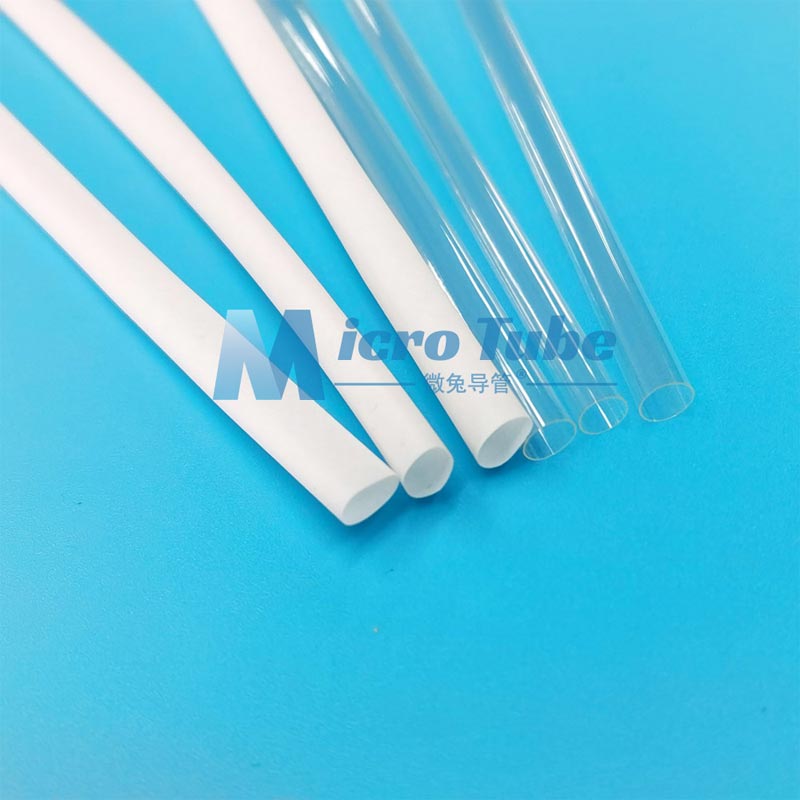
Summary: Medical thin wall tubing is crucial in various healthcare and medical applications due to its precision, flexibility, and strength. This blog explores the benefits, manufacturing process, types, and applications of medical thin wall tubing, focusing on how it enhances the functionality and performance of medical devices. Learn why Micro-tube’s products are a trusted choice for these applications.

Medical thin wall tubing refers to precision-engineered tubes used in various medical applications. They are manufactured to strict tolerances, ensuring high-quality standards in terms of strength, flexibility, and functionality. These tubes are typically used in applications such as catheterization, diagnostic equipment, and drug delivery systems. Micro-tube specializes in the production of medical thin wall tubing that meets the rigorous demands of healthcare professionals and patients alike.
Catheters, often used in medical procedures such as blood sampling or drug delivery, rely on thin wall tubing to provide the necessary flexibility and precision. The reduced wall thickness allows for a lighter, more comfortable experience for the patient.
In diagnostic devices like endoscopes or blood pressure monitoring systems, the tubing must have very fine walls to fit within small spaces while maintaining its strength and flexibility. Thin wall tubing meets these needs effectively.
Micro-tube’s medical thin wall tubing is used in intravenous (IV) lines and drug delivery systems, providing a reliable and efficient way to administer medication to patients. The tubing's small size and smooth inner surface ensure accurate and efficient flow.
Surgical tools such as suction tubes and micro-surgical instruments often use thin wall tubing to ensure precision and flexibility while minimizing trauma to tissues.
The production of medical thin wall tubing is an intricate process that requires specialized machinery and materials. At Micro-tube, we adhere to strict standards to ensure that each piece of tubing is manufactured with the highest level of precision and quality control. Below is an outline of the typical manufacturing process:
When selecting medical thin wall tubing for your project or application, it's essential to consider several factors:
Medical thin wall tubing is primarily used in applications like catheters, drug delivery systems, diagnostic devices, and surgical instruments due to its flexibility, durability, and precision.
Yes, the materials used in manufacturing medical thin wall tubing are biocompatible, meaning they are safe for use in the human body without causing adverse reactions.
The choice of material depends on the specific application, required flexibility, and strength. Consult with a manufacturer like Micro-tube to find the best material for your needs.
Yes, at Micro-tube, we offer customization services for medical thin wall tubing to meet your specific requirements regarding size, material, and other factors.
If you need more information about medical thin wall tubing or are interested in placing an order, contact us today. Our team is here to assist with your custom tubing needs and provide the best solutions for your medical applications.